
 Brian Dương
#What Is Vietnamese Sticky Rice? Why Is It Famous in the World?
What Is Vietnamese Sticky Rice? Why Is It Famous in the World?
27/05/2025 -
Nội dung bài viết
Vietnamese sticky rice, also known as glutinous rice or “xôi” rice, is a beloved staple in Vietnamese cuisine and culture. Known for its unique texture, versatility, and rich cultural significance, sticky rice has earned global recognition and appreciation. This article explores what Vietnamese sticky rice is and why it has become famous around the world.
Understanding Vietnamese Sticky Rice
Vietnamese sticky rice is a variety of glutinous rice characterized by its short, plump grains and sticky, chewy texture when cooked. Despite its name, sticky rice contains no gluten; the term "glutinous" refers solely to its glue-like consistency. This rice is widely grown in the fertile northern and central regions of Vietnam, where it thrives in suitable soil and climate conditions.
Key Characteristics of Vietnamese Sticky Rice
-
Short and round grains: Unlike long grain varieties, sticky rice grains are short, round, and slightly opaque.
-
Sticky texture: When cooked, the grains stick together tightly, making it ideal for hand-eating dishes.
-
Neutral flavor: Its mild taste allows it to pair well with sweet or savory accompaniments.
-
Versatility: Used in a wide range of dishes from breakfast meals to festive foods.
-
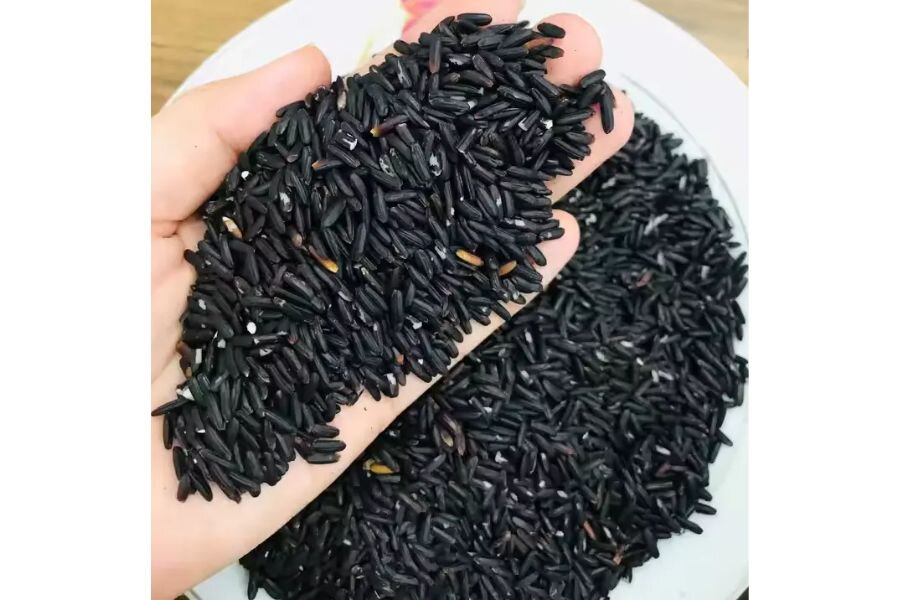
Variety of colors: White is most common, but purple, black, and red sticky rice are also cultivated and used traditionally.
Why Is Vietnamese Sticky Rice Famous Worldwide?
Vietnamese sticky rice has gained worldwide fame due to several factors that combine cultural, culinary, and nutritional appeal.
1. Unique Texture and Culinary Flexibility
The hallmark stickiness of Vietnamese sticky rice sets it apart from other rice types. This texture allows for creative culinary uses — from sweet desserts and snacks to savory dishes. Its ability to hold shape and bind ingredients makes it indispensable for traditional cakes, dumplings, and rolls.
2. Cultural Significance and Traditional Uses
Sticky rice is central to many Vietnamese festivals, ceremonies, and celebrations. Dishes like bánh chưng (square sticky rice cake) and bánh tét (cylindrical sticky rice cake) are essential to Lunar New Year festivities. This cultural heritage has piqued global curiosity and respect for Vietnamese sticky rice dishes.
3. Health Benefits
Sticky rice is gluten-free and rich in carbohydrates, providing a quick energy source. Traditional preparation methods and inclusion of natural ingredients like coconut milk and beans add nutritional value, appealing to health-conscious consumers.
4. International Vietnamese Diaspora
Vietnamese communities worldwide have introduced sticky rice dishes to diverse audiences, contributing to its growing international popularity. Vietnamese restaurants and markets showcase sticky rice in various forms, enticing global food lovers.
5. Fusion and Modern Cuisine
Chefs and food innovators incorporate Vietnamese sticky rice into fusion cuisine, blending traditional elements with contemporary flavors. Sticky rice’s texture and neutral taste make it adaptable to new culinary creations.
Famous Vietnamese Sticky Rice Dishes
Vietnamese sticky rice appears in a multitude of beloved dishes, showcasing its culinary versatility.
1. Xôi (Sticky Rice Dishes)
-
Xôi đậu xanh: Sticky rice mixed with mung beans, often topped with fried shallots or shredded coconut.
-
Xôi gấc: Vibrant red sticky rice cooked with gac fruit, popular during festive occasions.
-
Xôi lạc: Sticky rice with peanuts.
-
Served as breakfast or snacks, often accompanied by savory or sweet toppings.
2. Bánh Chưng and Bánh Tét
-
Traditional sticky rice cakes made with glutinous rice, mung beans, and pork, wrapped in banana leaves.
-
Symbolize prosperity and family unity during Tet, the Lunar New Year.
3. Sticky Rice Dumplings
-
Filled with meats, beans, or sweets.
-
Consumed during festivals or special events.
4. Sweet Sticky Rice Desserts
-
Sticky rice combined with coconut milk and sugar.
-
Includes dishes like chè xôi nước cốt dừa (sticky rice pudding with coconut milk).
5. Grilled Sticky Rice
-
Sticky rice mixed with spices or turmeric, grilled in banana leaves.
-
Offers a smoky, aromatic flavor.
How to Cook Vietnamese Sticky Rice Perfectly
-
Soak the rice: Soaking for at least 4 hours or overnight softens grains.
-
Steam rather than boil: Steaming preserves texture and prevents mushiness.
-
Use a bamboo steamer: Traditional method for best results.
-
Avoid rinsing excessively: Maintains starch for stickiness.
-
Serve warm: Sticky rice hardens when cooled.
Nutritional Profile
Vietnamese sticky rice offers:
-
High carbohydrate content for energy.
-
Gluten-free, suitable for those with gluten intolerance.
-
Low fat content.
-
Moderate protein.
-
Vitamins and minerals, especially when combined with natural ingredients.
Conclusion
Vietnamese sticky rice is much more than a simple grain; it is a cultural treasure and culinary delight. Its unique sticky texture, wide range of applications, and significance in Vietnamese traditions have contributed to its worldwide fame. As more people discover and appreciate Vietnamese cuisine, sticky rice stands out as a symbol of Vietnam’s rich heritage and delicious food culture.
Whether enjoyed in traditional dishes, modern recipes, or fusion creations, Vietnamese sticky rice continues to captivate palates globally.
Learn more: Sticky Rice (Glutinous Rice)
TVQuản trị viênQuản trị viên
Xin chào quý khách. Quý khách hãy để lại bình luận, chúng tôi sẽ phản hồi sớm